


Introduction
In the year 79 AD, during the reign of Emperor Titus of the Flavian gens, there was a catastrophic event unfolded that would forever alter the landscape of ancient Rome. The “Plinian Eruption” of Mount Vesuvius led to the destruction of the bustling cities of Pompeii, Herculaneum and Stabiae, preserving its ruins for centuries to come. This article explores the circumstances surrounding this tragic event, its impact on the people of Pompeii, and what we can learn from this archaeological treasure.
The Eruption of Mount Vesuvius
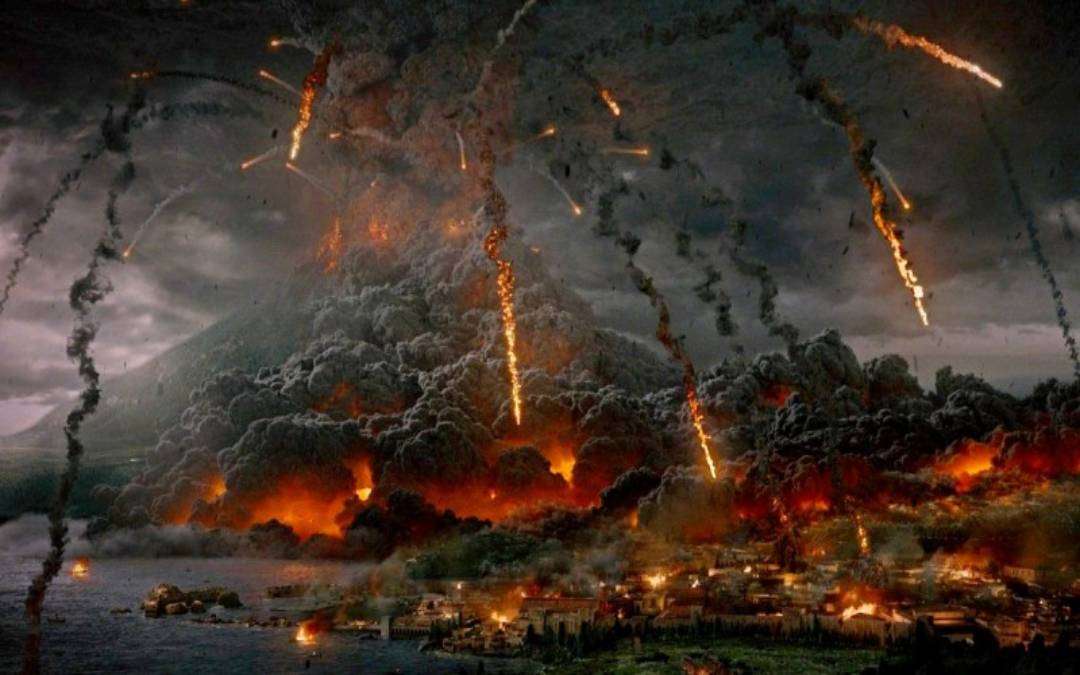
On the morning of August 24, 79 AD, the residents of Pompeii awoke to an ominous sight. Mount Vesuvius, a seemingly dormant volcano, began to rumble and spew ash into the sky. The initial phase of the eruption released a cloud of stones, ashes, and fumes to a height of 33 km (20.5 miles), blanketing the surrounding area in a thick layer of volcanic material.
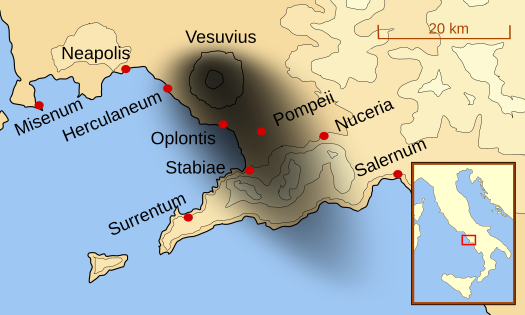
As the day progressed, the situation worsened. Pyroclastic flows—fast-moving currents of hot gas and volcanic matter—descended upon the city, reaching speeds of up to 700 km/h (430 mph). Within hours, Pompeii was buried under approximately 4 to 6 meters (13 to 20 feet) of ash and pumice, effectively freezing the city in time.
Among the historical figures who recorded this disaster were Pliny the Elder and his nephew, Pliny the Younger, whose accounts provide invaluable insights into the eruption and its aftermath.
Pliny the Elder’s Account
Pliny the Elder, a naval commander and a renowned naturalist, was stationed in Misenum, about 30 kilometers (18 miles) from Pompeii. He witnessed the eruption and was determined to study it. His account, recorded in a letter to the historian Tacitus, describes the chaotic scene: dark clouds, falling ash, and the terror of the fleeing inhabitants. Pliny the Elder bravely attempted to rescue people trapped by the ash but tragically lost his life, likely from inhaling toxic fumes.
Pliny the Younger’s Observations
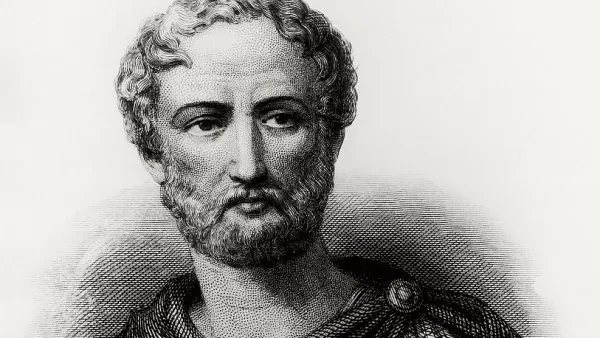
Pliny the Younger, Pliny the Elder’s nephew, provided a detailed description of the eruption in two letters to the historian Tacitus. He vividly recounts the dark sky, the rain of ash, and the desperate efforts of citizens to escape. Unlike his uncle, Pliny the Younger managed to survive, and his writings offer a poignant reflection on the human experience during this catastrophic event. His observations highlight the chaos, fear, and ultimately the profound sense of loss that accompanied the eruption.
Even today, the explosive volcanic eruption fenomenus is known as the Plinian Eruption.
Life in Pompeii Before the Eruption
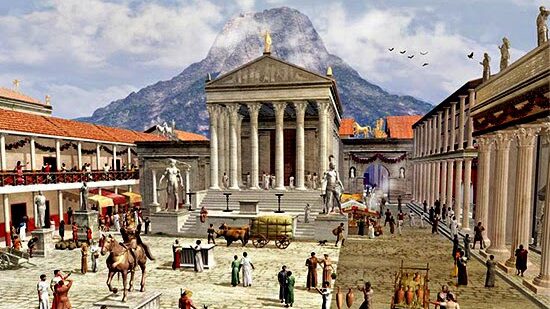
Pompeii was a thriving Roman city with a population of about 11,000 people. The city was known for its impressive architecture, vibrant marketplaces, and elaborate frescoes. Daily life flourished with various social activities, from theatrical performances to bustling trade. The citizens were largely unaware of the impending doom that loomed over them.
The Aftermath
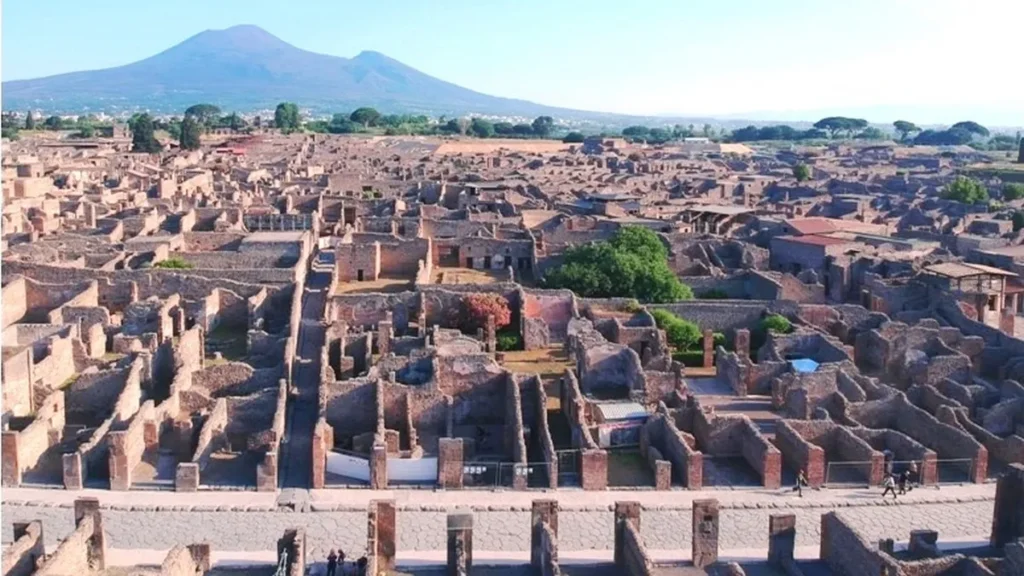
The eruption resulted in the immediate death of thousands of inhabitants. Many perished from thermal shock, while others were buried alive under the ash. It wasn’t until the 18th century that the ruins of Pompeii were rediscovered, revealing a remarkably preserved snapshot of Roman life. The layers of ash acted as a protective blanket, preserving buildings, artifacts, and even the tragic forms of those who perished in the disaster.
Archaeological Significance
The excavation of Pompeii has provided invaluable insights into the daily lives, culture, and social structures of ancient Rome. The preserved frescoes, mosaics, and buildings tell a story of a civilization that thrived until its sudden end. Pompeii serves as a reminder of the power of nature and the fragility of human existence.
Conclusion
The destruction of Pompeii in 79 AD is not just a tale of tragedy; it is a poignant reminder of the transience of life. As we continue to excavate and study this ancient city, we gain a deeper understanding of our past and the lessons it imparts for the future. The ruins of Pompeii stand as a testament to resilience and the enduring legacy of a once-vibrant civilization.
About The Author